
Chromatic Engine
Visual frequency analysis tool for selecting books by spine color and creating harmonious arrangements based on mathematical color theory.
Color Spectrum Interface
Digital Shelf Simulator
Adjust the color frequency slider to visualize how book arrangements appear under different chromatic modes. The digital shelf updates in real-time to show gradient variations and monochrome transformations.
Gradient Mode
Move the slider to explore how color frequency affects visual weight and spatial perception in book arrangements.

Color Frequency Calculation
Each spine color is assigned a frequency value based on its position in the visible spectrum. Dark tones carry higher visual weight, while light colors create visual rhythm. The engine calculates optimal distributions.
Practical Applications
Gradient Mode
Arranges books in smooth color transitions from dark to light or vice versa. Creates a visual flow that guides the eye across the shelf while maintaining thematic organization.
High-Contrast Monochrome
Alternates between dark and light spines to create dynamic visual patterns. This mode emphasizes texture and form while maintaining readability of individual volumes.
Vibrant Spectrum
Organizes books by hue saturation to create sections of pure color intensity. Ideal for modern spaces where books function as bold architectural elements.
Algorithm Parameters
Visual Weight Metrics
The chromatic engine processes three primary variables: hue position (0-360 degrees), saturation percentage (0-100%), and luminance value (0-100%). These combine to generate a visual weight score that predicts how each book will interact with surrounding volumes.
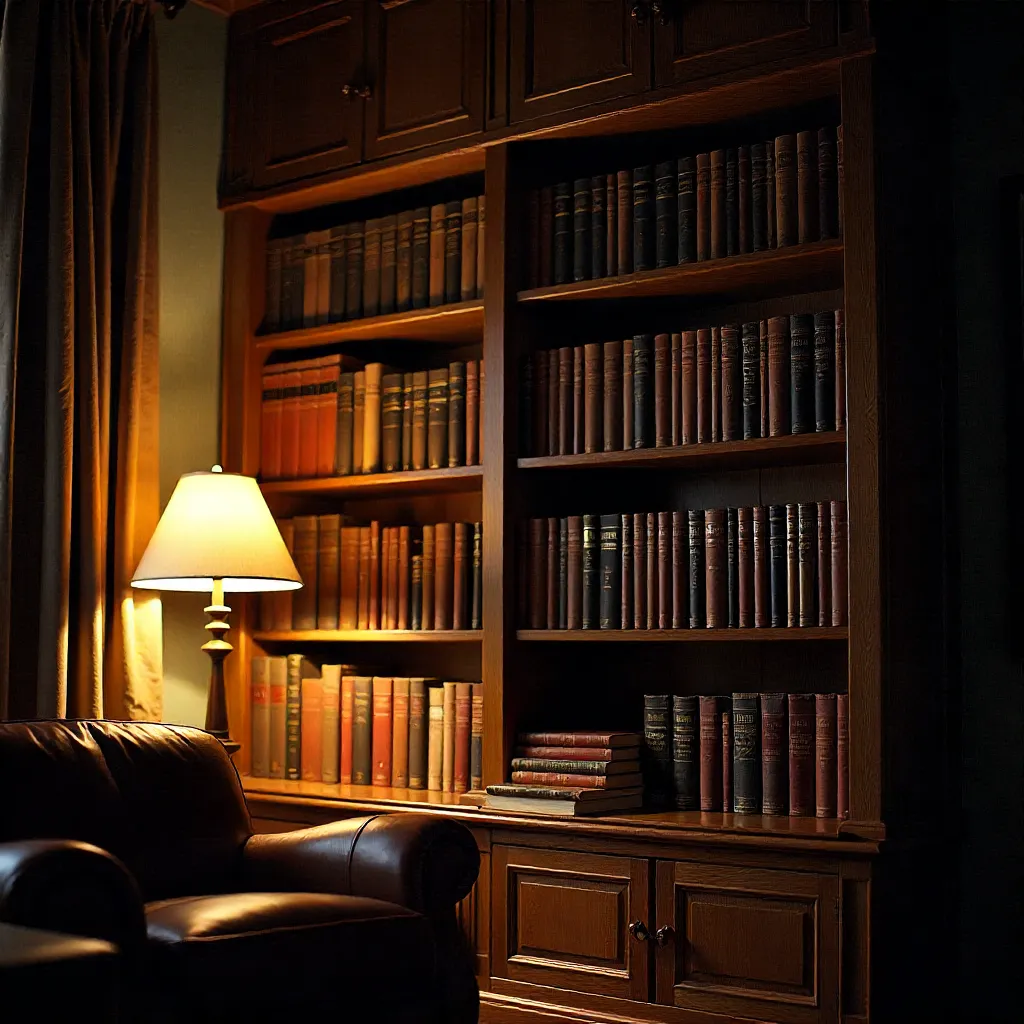
Apply Chromatic Intelligence
Discuss how color frequency analysis can enhance your library curation project.
Contact Us