
Atmospheric Study
Documentation of completed library curation projects showing how book collections integrate into various architectural contexts while serving both aesthetic and functional purposes.
Integration Projects
Each project includes detailed documentation of acoustic properties, light reflection patterns, and spatial dynamics. Books function as architectural elements that modify environmental conditions while providing intellectual access.

Minimalist Glass Pod
Floor-to-ceiling glass structure with integrated shelving. Book collection selected to complement transparent architecture while maintaining visual weight. Sound dampening measurements show 12dB reduction in ambient noise.
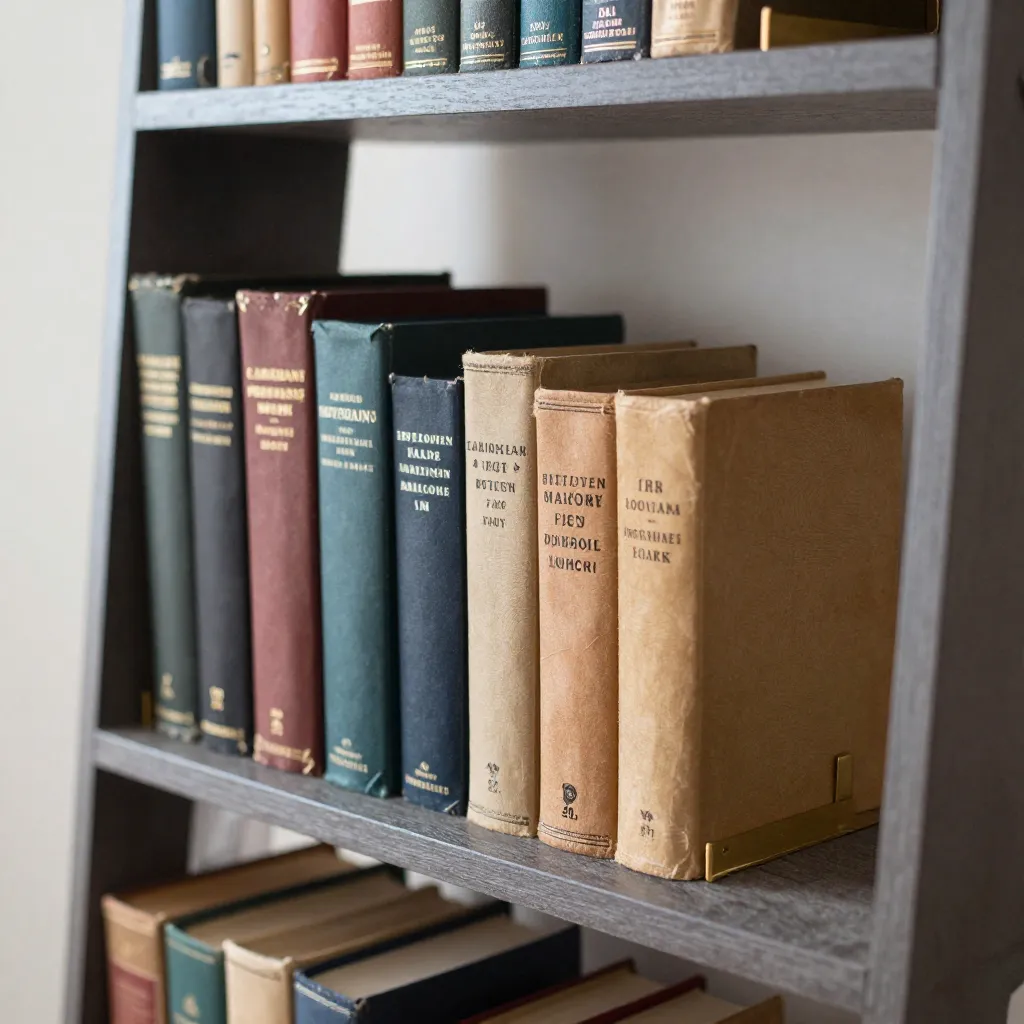
Light Profile: Matte covers reflect 28% of ambient light, creating soft visual boundaries without glare.

Neo-Industrial Loft
Raw concrete walls with exposed steel shelving. Dense book arrangement creates substantial acoustic barrier between living and workspace zones. Sound measurements indicate 18dB noise reduction.
Light Profile: Mixed matte and gloss covers create dynamic light interactions, reflecting 42% of industrial lighting.
Sound & Light Profiles
Each completed project includes comprehensive environmental documentation. Books serve as acoustic dampening systems while their surfaces interact with ambient light to create distinct atmospheric conditions.
Measurement Methodology
Acoustic Analysis
Sound level measurements taken before and after book installation. Dense arrangements with varied spine depths create complex sound diffusion patterns. Results documented in decibel reduction across frequency ranges.
Light Reflection Studies
Cover finish analysis determines light reflection percentages. Matte surfaces absorb and scatter light, while glossy covers create focal reflection points. Documentation includes angular measurements and intensity distributions.
Spatial Dynamics
Three-dimensional modeling captures how book arrangements modify perceived room dimensions. Visual weight distribution affects spatial perception, making rooms feel more intimate or expansive depending on arrangement strategy.
Document Your Integration
Discuss how atmospheric analysis can enhance your library curation project.
Contact Us